Day Trips to Giglio and Giannutri from Porto Santo Stefano: Ferries & Travel Tips
Complete guide to visiting Giglio Island and Giannutri by ferry from Porto Santo Stefano: ferry companies, practical tips, and where to stay on Monte Argentario.
How do you reach Giglio Island and Giannutri by ferry from Porto Santo Stefano? Ferries operated by Toremar and Maregiglio regularly connect the Molo della Pilarella at Porto Santo Stefano with Giglio Island (approximately 1 hour's sailing) and with the Island of Giannutri: frequency and journey times vary by season, so always check up-to-date timetables on the ferry companies' official websites. By staying at LT Argentario, the embarkation point is just a few minutes' walk away — no traffic stress, no parking headaches.
1. Ferry Routes from Monte Argentario to the Islands
The Monte Argentario headland is the exclusive departure point for exploring the two southernmost gems of the Tuscan Archipelago National Park: Giglio Island and Giannutri Island. All scheduled ferry services and day-cruise motorboats depart from Porto Santo Stefano, specifically from the port area known as Piazzale Candi (Porto del Valle / Molo della Pilarella), located right alongside the main waterfront promenade.
- Route Porto Santo Stefano – Giglio Island (Giglio Porto): Services run year-round to maintain territorial connectivity, with frequency and timetables varying considerably between winter and summer. During the summer months (June to September), numerous daily departures are scheduled from early morning through to late afternoon. The crossing takes exactly 60 minutes and covers approximately 11 nautical miles, arriving at the picturesque fishing village of Giglio Porto.
- Route and excursions to Giannutri Island (Cala Spalmatoio / Cala Maestra): As a strictly protected island with no significant residential areas or paved roads, Giannutri is served by scheduled ferries (operated by Maregiglio) mainly during spring and summer, plus a handful of off-season weekly crossings. The sailing time is approximately 1 hour. Alternatively, daily tourist mini-cruises depart from the port combining a beach stop at Giannutri with a visit to Giglio.
Read more: Porto Santo Stefano: beaches and apartments with harbour views
2. Ferry Companies, Routes and Connection Details
To plan your day trip or island transfer as smoothly as possible, the table below summarises the ferry companies operating from Porto Santo Stefano, including journey times, vehicle transport and on-board services:
| Maritime Route | Main Operator | Timetables, Duration and Transport Services |
|---|---|---|
| Porto Santo Stefano ⇄ Giglio Island (Giglio Porto) | Toremar / Maregiglio | Year-round multi-daily service (approx. 1 hour sailing). Passengers, luggage, pets and motor vehicles (cars, motorcycles, campervans) accepted. Timetables vary by season: always check on the companies' official websites. |
| Porto Santo Stefano ⇄ Giannutri Island (Cala Spalmatoio) | Maregiglio | Scheduled services mainly in spring and summer (approx. 1 hour sailing). Foot passengers only: there are no roads and no private vehicles on the island. Check seasonal timetables on the company's website. |
| Day Mini-Cruises (Giglio + Giannutri) | Local tourist boat operators | Morning departures from Porto Santo Stefano (Molo della Pilarella) from May to October, with optional on-board lunch and swimming stops in the most beautiful coves. |
3. What to Know Before You Disembark: Giglio vs Giannutri
Although geographically close, the two islands offer profoundly different visitor experiences, each requiring specific preparation before you board the ferry.
Visiting Giglio Island in a Day
Once you step ashore at Giglio Porto, welcomed by pastel-coloured houses and crystal-clear water, getting around is easy even without your own car. Right opposite the ferry jetty you'll find the local bus terminus (Tiemme), a taxi rank, and numerous scooter, e-bike and dinghy hire outlets. A 15-minute bus ride takes you up to Giglio Castello, one of the finest medieval fortified hilltop villages in Italy, or down the western coastline to Giglio Campese, famous for its long sandy beach, sea stack and Medici watchtower. If you're after pristine water, you can reach Cala delle Cannelle and Cala delle Caldane on foot or by water taxi.
Visiting Giannutri Island: National Park Rules
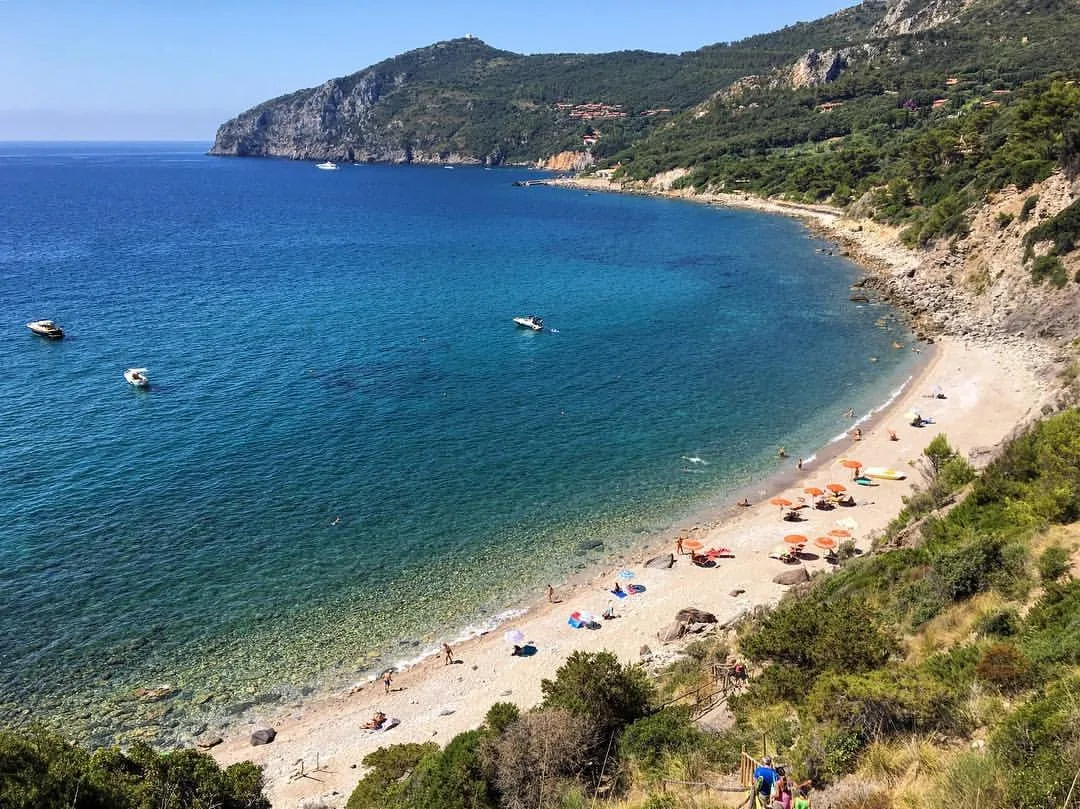
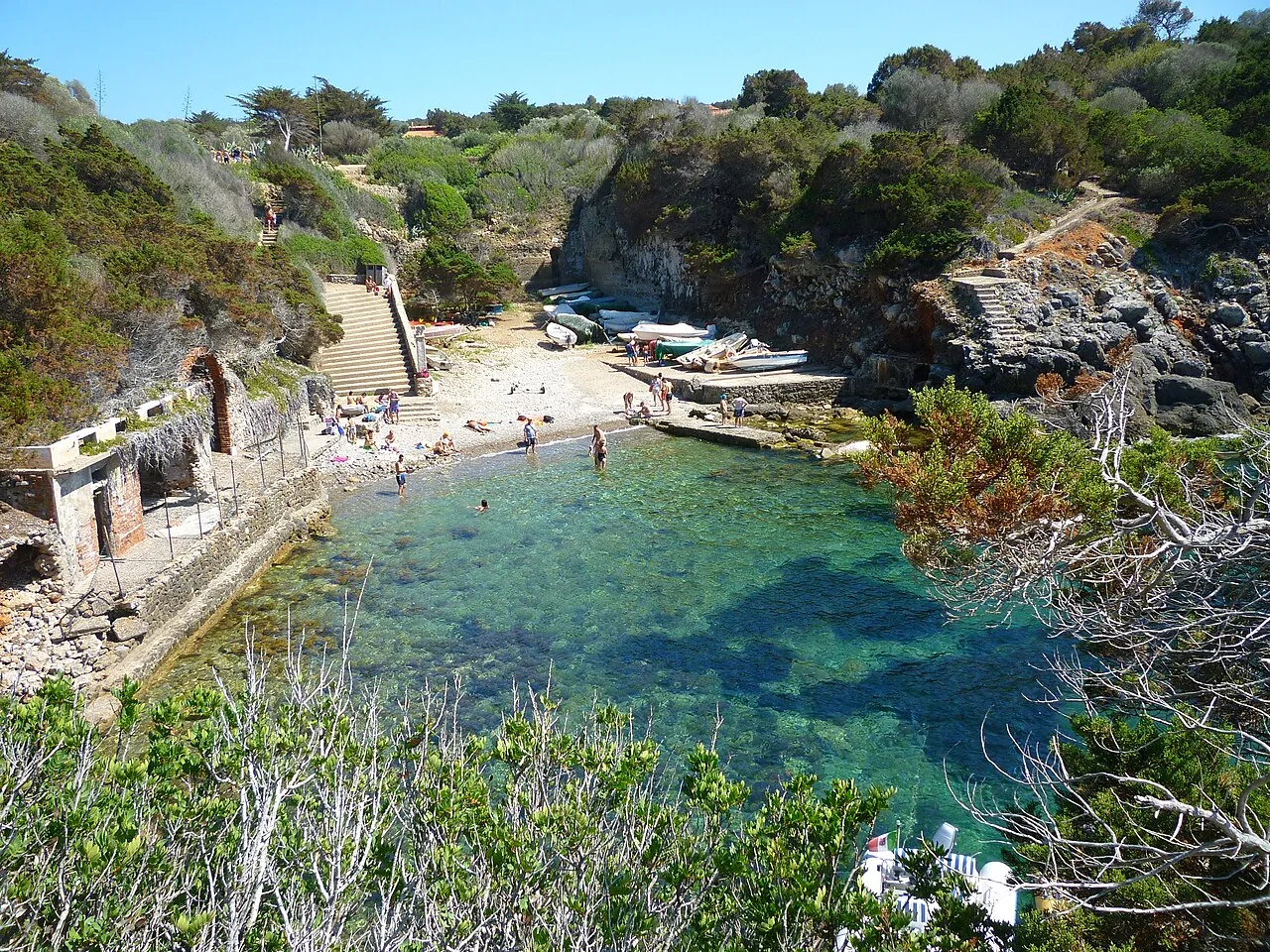
Giannutri — the crescent-shaped limestone island furthest south in the Tuscan Archipelago — is a fully protected terrestrial and marine nature reserve. Visitors may explore independently only along the central path connecting the two swimming coves — Cala Spalmatoio and Cala Maestra — where you can snorkel in turquoise water and visit the remains of the magnificent Roman Villa of the Domitii Ahenobarbi (bookable guided tours available). To hike the nature trails elsewhere on the island, you must be accompanied by an authorised Park Guide. Remember to bring water shoes, plenty of water and a packed lunch, as the island's refreshment facilities are very limited and open only at the height of summer.
4. Practical Tips for Boarding, Parking and Where to Stay
It is strongly advisable to book ferry tickets in advance during the summer months (especially on July and August weekends, or if you plan to bring a car) and to check the current season's timetables before planning your day:
- Check-in times at the pier: If you're travelling on foot with a ticket already purchased online, arrive at the boarding point at least 30 minutes before departure. If you are loading a vehicle (car or motorcycle) for Giglio Island, you must report to the loading dock at least 60 minutes before the scheduled departure time, following port staff instructions.
- Parking in Porto Santo Stefano: In summer, finding a parking space close to Piazzale Candi port in the morning can be both difficult and expensive (multi-storey car parks and paid supervised parking are available along Via del Campone and in the port area, but they fill up quickly before the 08:30 and 09:30 departures).
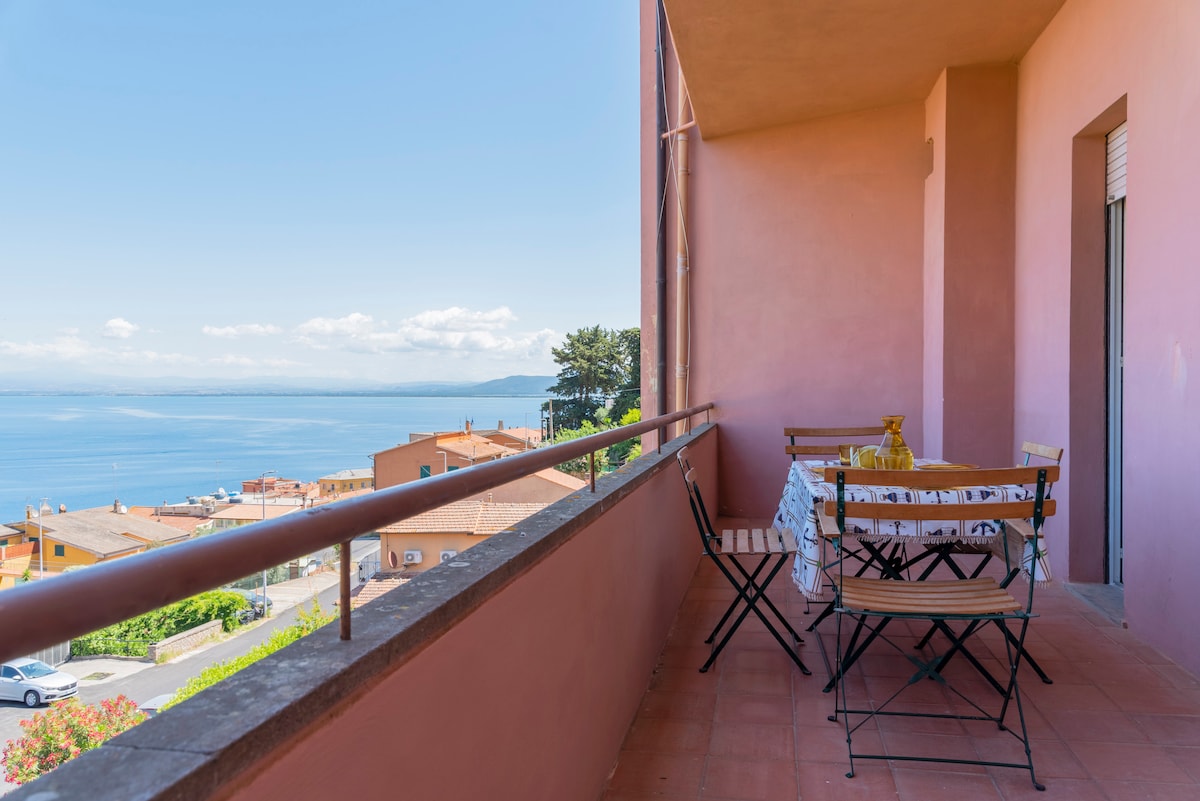
- The strategic advantage of staying in Porto Santo Stefano: Choosing to stay in the village itself before or after your island excursion eliminates all logistical stress. By staying at LT Argentario you can leave your car behind and walk to the ferry terminal, then enjoy a sea-view dinner on the apartment's panoramic terrace when you return.
- Landing fee: As is standard for Italy's minor islands and protected areas, the ferry ticket price for non-residents includes a small municipal/environmental landing tax (usually between €2.50 and €4.00 depending on the period and island), automatically included at the time of ticket purchase.
5. FAQ – Frequently Asked Questions About Ferries to Giglio and Giannutri
Can I bring my car to Giglio Island or Giannutri?
Giannutri has no driveable roads and landing any motor vehicle is strictly prohibited. On Giglio Island, you can transport a car or motorcycle on Toremar and Maregiglio ferries; however, during the summer months (typically August) ministerial restrictions apply to non-residents, allowing vehicles to be landed only by visitors staying on the island for at least 5 consecutive nights and completing a self-declaration form. For a day trip, travelling on foot is always recommended.
Where should I stay in Porto Santo Stefano before departing for the islands?
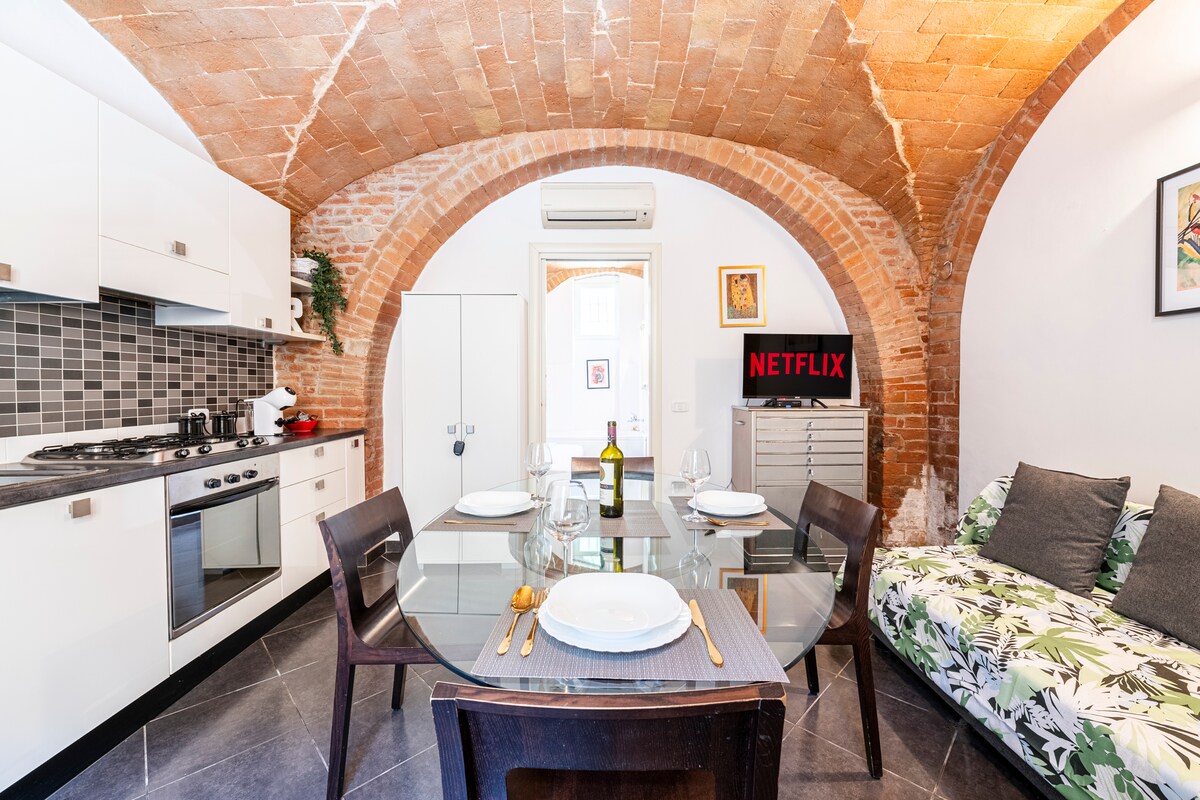
The most convenient and scenic option is to stay in one of the carefully selected apartments at LT Argentario in Porto Santo Stefano. Thanks to the strategic location just minutes from the port and the panoramic views over the gulf, you can explore Monte Argentario at your leisure and walk to the ferry in the morning without using your car — book directly on Managebnb with no intermediary commission fees and with BeSafe Rate insurance cover included.
Can I bring my dog on the ferry to Giglio or Giannutri?
Yes, dogs and other pets are welcome on board Toremar and Maregiglio scheduled ferries. Dogs require a dedicated ticket, must be kept on a lead (with a muzzle available to wear if requested) and may stay on the ship's outer decks or in designated interior areas.
How far in advance should I buy ferry tickets?
If you're travelling on foot during spring or autumn, you can usually purchase tickets at the port ticket offices shortly before departure. In July and August, on bank holiday weekends, or if you're travelling with a vehicle, it is strongly recommended to book online via the ferry companies' official websites several days or weeks in advance to secure your preferred sailing time.