How to Fill Your Holiday Home Calendar Without Slashing Prices
Want to increase bookings for your holiday home while keeping margins high? Discover the 5 professional levers to fill your calendar without cutting prices.
In brief: Filling a holiday home calendar without slashing prices means shifting competition away from price and towards perceived value. The five decisive levers are: synchronised multi-channel distribution, high-conversion editorial photography, dynamic minimum-stay management (to close calendar gaps), demand-driven pricing, and opening up to diversified guest profiles (families, remote workers, couples).
Many owners are trapped in a false dilemma: "Either I hold my prices high and stay empty, or I undersell the property just to cover costs." In reality, underselling is never a sustainable strategy: it increases wear and tear on the property, wipes out net profit, and attracts less respectful guests. If you have already tried this route without success, you already know why lowering your prices on Airbnb doesn't work.
The real key to increasing occupancy while protecting — and often raising — your average nightly rate is to work professionally on visibility, demand, and your calendar.
1. Stop Depending on a Single Channel
Every platform reaches a different audience with different spending habits:
- Airbnb is strong for experiential stays, couples, remote workers, and international guests from North America.
- Booking.com dominates quick bookings, European travellers (Germany, the Netherlands, Switzerland, France), and medium-length stays.
- Vrbo and direct channels attract medium-to-high-budget families who book full weeks well in advance.
Being present across all these channels with a synchronised calendar multiplies your potential demand without dropping your nightly rate by a single euro.
2. Close "Orphan Days" with Dynamic Minimum Stays
One of the main reasons a calendar stays only 50% full is the presence of 1- or 2-night gaps between bookings. If you have set a fixed minimum stay of 3 nights, those gaps will remain unsold indefinitely.
By setting up automatic rules that lower the minimum stay only for the free slots left between two bookings — the so-called orphan days — you can easily recover 25–40 extra paid nights per year, at your full nightly rate.
3. The 5-Lever Table: Impact on Occupancy and Margins
| Strategic Lever | What You Do in Practice | Effect on Occupancy | Effect on Average Daily Rate (ADR) |
|---|---|---|---|
| Synchronised multi-channel distribution | List on Airbnb, Booking.com, Vrbo and your own direct website | Very High (+20–35%) | Neutral / Positive |
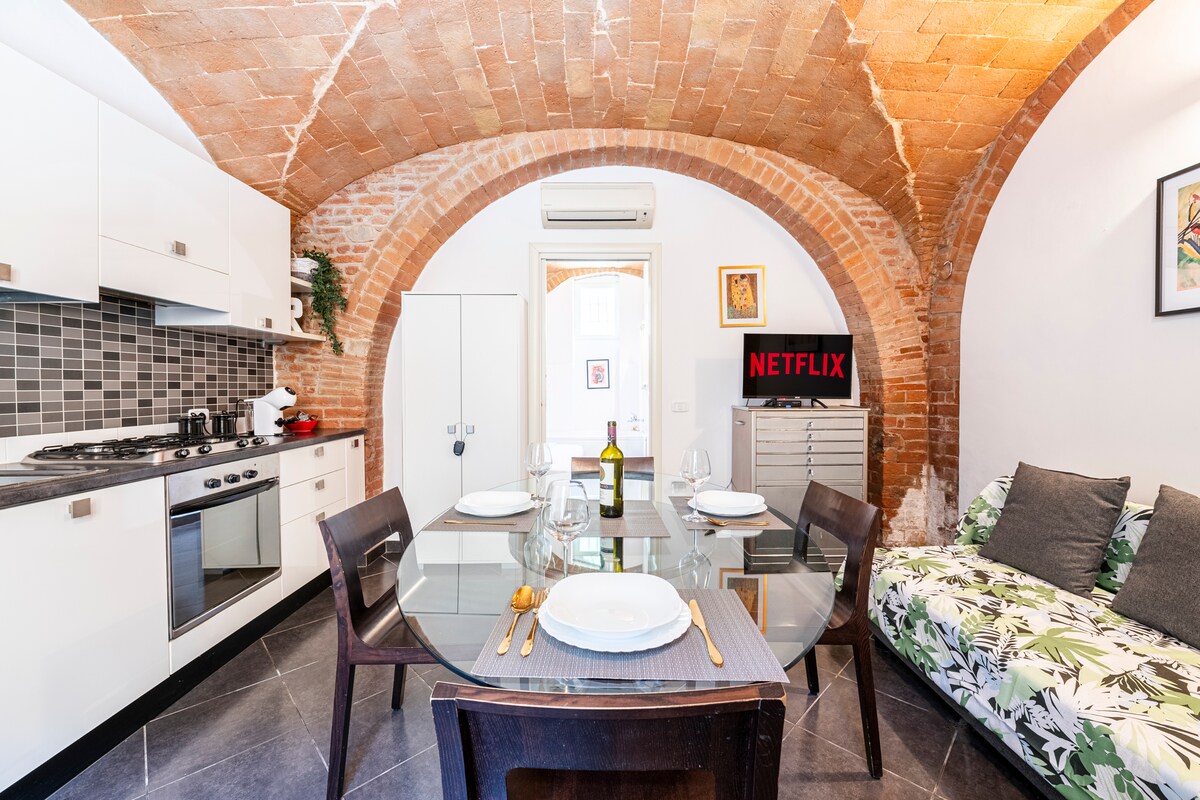
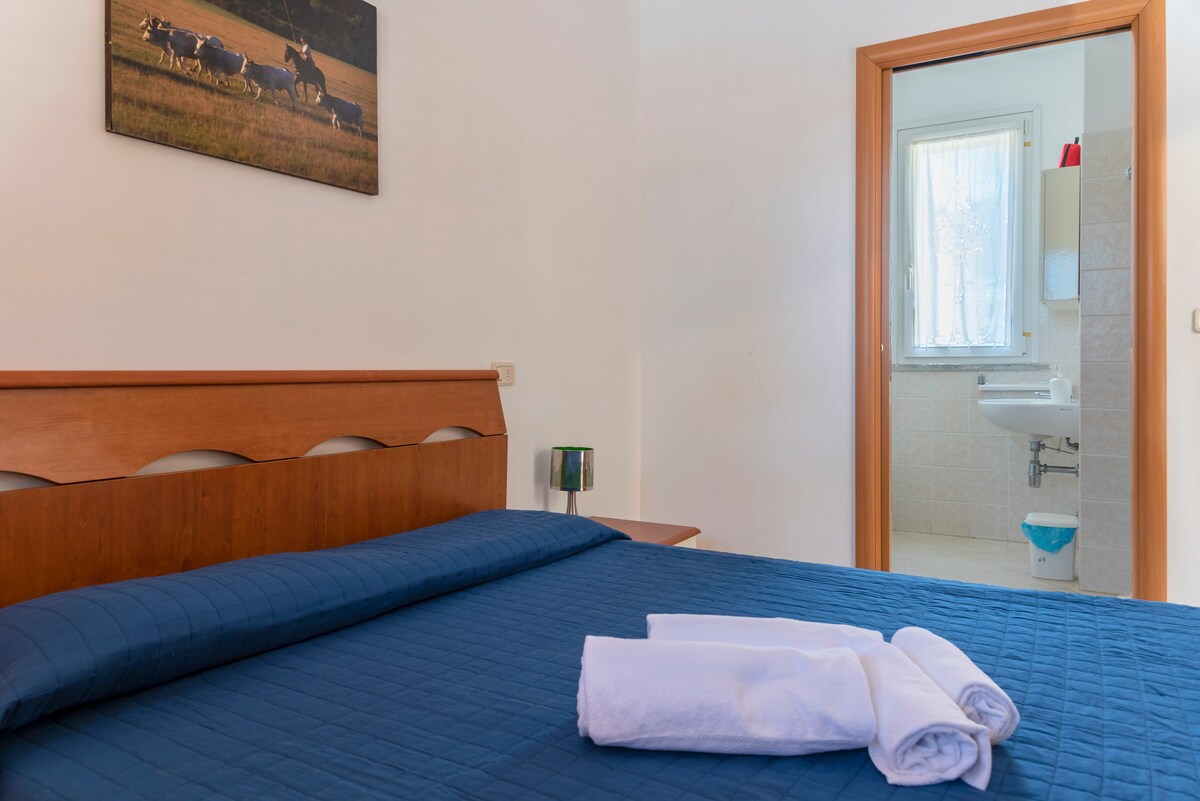
| Photography & Home Staging | Professional photo shoot + small décor touches | High (+15–25%) | Very Positive (+10–20%) |
| Dynamic minimum stay | Flexibility on calendar gaps and shoulder seasons | Medium-High (+10–15%) | Neutral |
| Daily dynamic pricing | Rates adjusted for events, long weekends, weather and demand | High (+15–20%) | Positive (+15–25%) |
| Broad guest targeting | Fast Wi-Fi for remote workers, family kit, self check-in | Medium (+10–15%) | Positive |
4. Capture New Tourist Flows All Year Round
As highlighted by ISTAT reports on tourist flows and seasonality, demand is increasingly spreading beyond the classic July and August peak. Adding low-cost but high-perceived-value services — such as a certified Wi-Fi connection, a comfortable remote-working desk, 24/7 self check-in, and curated local area information — allows you to let your property in spring, autumn, and winter at respectable rates.
To see concretely how much your revenue could grow by applying these levers, revisit our simulation on how much your holiday rental property should really be earning.
Frequently Asked Questions (FAQ)
Won't accepting 1- or 2-night stays create too much cleaning pressure?
Accepting short stays only creates excessive cleaning pressure if you manage everything manually. With an organised cleaning team and cleaning fees correctly set at the guest's expense, short stays fill mid-week gaps and low-season weekends, generating extra margin that would otherwise be lost entirely.
How much does self check-in really affect bookings?
Self check-in has a significant impact on bookings, because travellers arriving late in the evening or who don't want time constraints filter listings directly by "Self check-in". Offering a key safe or a smart lock (in compliance with current guest identification regulations) immediately broadens your pool of potential guests.
Can I manage all of this on my own, or do I need professional support?
You can set the foundations yourself, but keeping daily prices, minimum-stay rules, and multi-channel synchronisation up to date requires professional software and constant monitoring. Relying on structured management or expert analysis helps you avoid costly mistakes and saves dozens of hours every month.
Richiedi l'Analisi Pro Completa e Definitiva
Inserisci i dati del tuo immobile. In 48 ore lavorative esamineremo il tuo annuncio, il posizionamento rispetto ai concorrenti di zona e il tuo reale potenziale di incasso, con call strategica 1-a-1 inclusa.
99 €+ IVA (120,78 €) · call 1-a-1 inclusa