Why the Holiday Home on Your Street Is Always Booked – and Yours Isn't
Same location, same square footage, but your neighbour's property is booked year-round and yours isn't? Discover the 5 invisible operational differences that decide who fills the calendar.
In brief: When two holiday homes on the same street produce opposite results, the gap rarely comes down to location or luck – it comes down to distribution and presentation systems. The property that stays fully booked typically uses professional editorial photography, synchronised multi-channel distribution, daily dynamic pricing, flexible booking rules and near-instant response times that push it to the top of every algorithm.
You open the window, glance at the building opposite or the front door next to yours, and see the usual parade of rolling suitcases, foreign families and couples on holiday. Then you check your smartphone: the calendar for your apartment – same street, same view, possibly even better renovated – has been silent for weeks.
That's the moment the most exhausting question takes hold: "Why isn't my Airbnb getting bookings while my neighbour's is always full?" The answer almost never has anything to do with luck. It lives in what happens behind the scenes of digital property management. As data from the Italian National Tourism Observatory and ENIT confirms, today's traveller chooses accommodation through a fast, digital comparison process: whoever removes every point of friction between search and payment wins the booking.
1. Location brings the traffic – presentation closes the sale
Location alone does not guarantee bookings for your specific property. Many owners assume that being in a tourist area or historic centre is enough to guarantee automatic reservations. In reality, a good location generates demand for the neighbourhood, not for your individual listing. If there are ten other listings on your street, location becomes a neutral factor: at that point the guest compares perceived quality on screen.
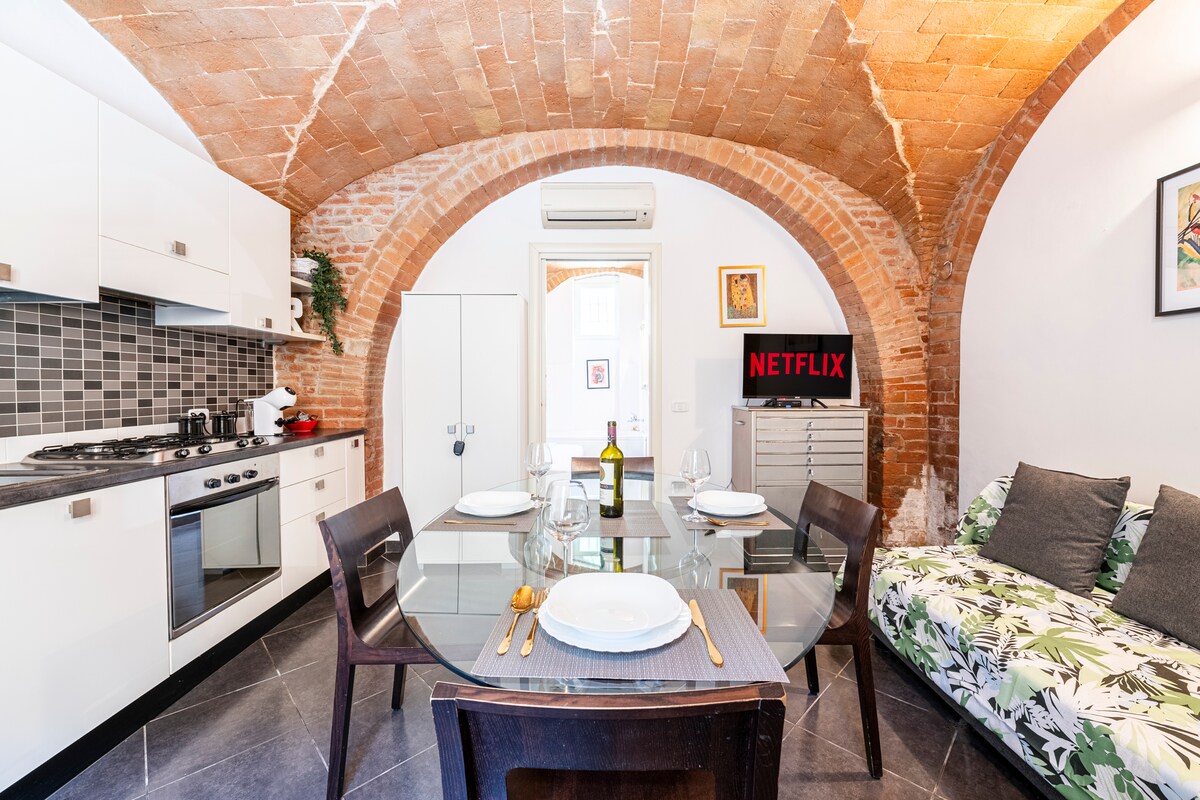
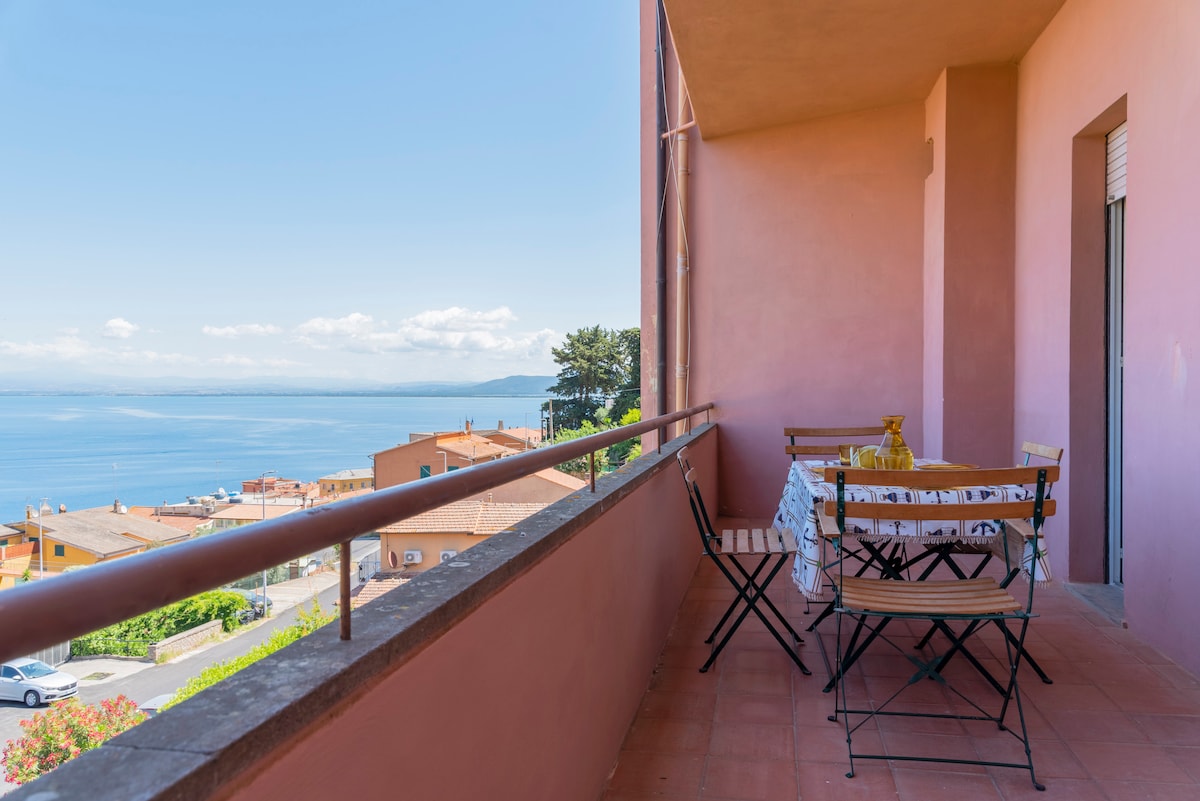
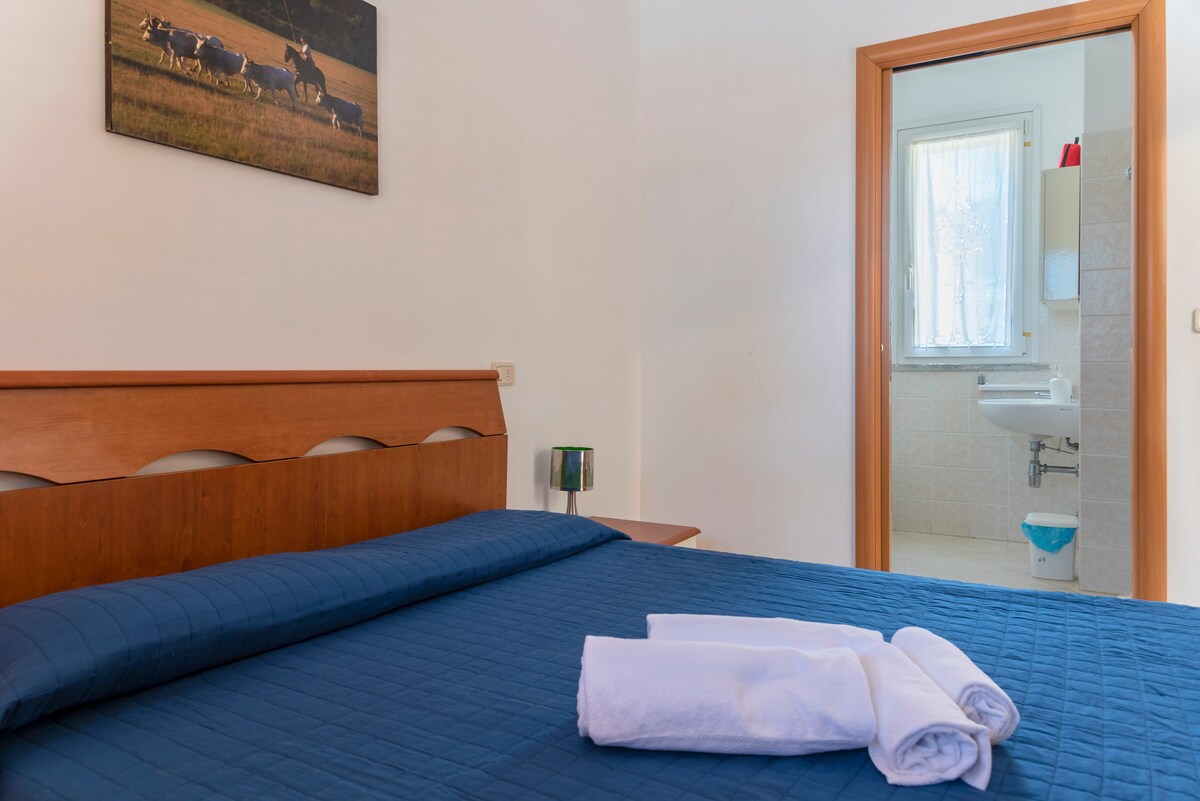
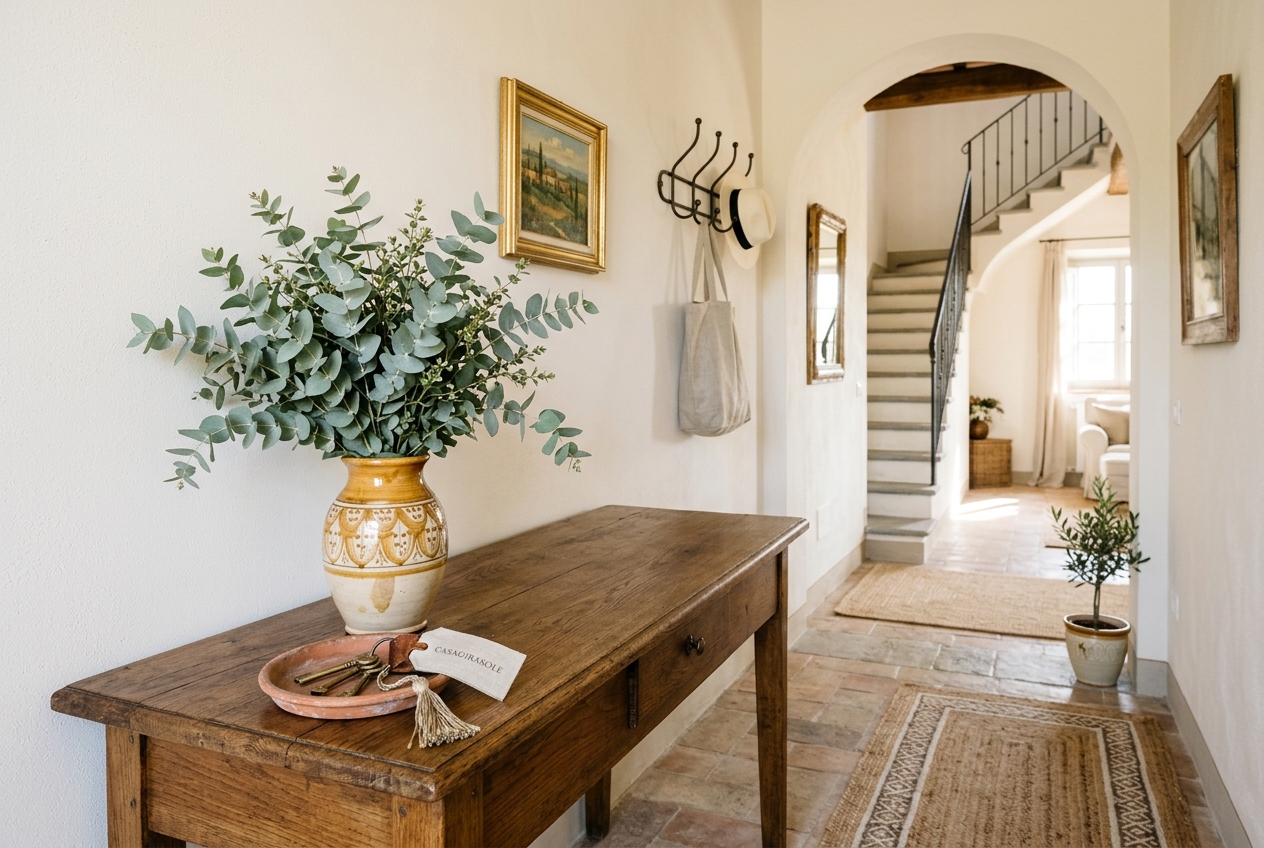
If your neighbour has invested in a professional photography service with bright, well-composed shots and a title that promises a clear, compelling experience, they will capture attention before a user even reaches your listing. If this sounds familiar, explore why a beautiful home can still have an empty calendar.
2. Head-to-head comparison: the "stagnant" property vs. the "always booked" property
Here is what concretely separates two identical properties on the same street:
| Operational Factor | The stagnant apartment | The always-booked apartment |
|---|---|---|
| Sales channels | Airbnb only (or Booking only) | Airbnb, Booking.com, Vrbo and a direct website – all synchronised |
| Pricing updates | 2–3 times a year (high/low season) | Dynamic, every day, based on demand and local events |
| Access & check-in | In-person only, rigid hours | Flexible self check-in or structured welcome |
| Minimum stay | Fixed (e.g. 3–5 nights year-round) | Variable: 1–2 nights to fill calendar gaps, longer in peak season |
| Response speed | Whenever there's time (3–12 hours) | Under 15 minutes, or Instant Book enabled |
3. The invisible advantage of multi-channel distribution
One of the most common mistakes is judging a neighbour's performance by looking only at Airbnb. The always-booked property very often receives just 40% of its reservations from Airbnb – the remaining 60% come from Booking.com, family-focused European portals or repeat guests booking directly. Staying on a single platform means systematically giving up more than half the travellers searching for a holiday home in Tuscany on your very street.
4. The algorithm snowball effect
In the short-term rental market, filling the calendar creates a compounding advantage: more bookings generate more recent reviews, recent reviews raise search ranking, and a higher ranking attracts new bookings at better rates. The reverse is equally true – a listing that stagnates slowly sinks in results. To check whether this is already happening to you, read how to tell if your Airbnb listing has disappeared from search results.
5. It's not a race to the bottom – it's a race for trust
Professionally managed listings earn more bookings and higher average nightly rates, not lower ones. The common assumption is that the neighbour fills their calendar by undercutting on price. In the vast majority of cases the exact opposite is true: professionally managed listings work more and command higher average rates, because they communicate reliability, impeccable holiday home cleaning standards and zero unpleasant surprises. If you're getting plenty of views but no one is converting, find out what is stopping guests after they open your listing.
Frequently Asked Questions (FAQ)
How can I find out which platforms my neighbour's holiday home is listed on?
You can find this with a simple search. Run a Google search using the listing name, or look up your street on the map view of Booking.com, Vrbo and Airbnb. You will often find that the top performers in your area are simultaneously present on at least three platforms.
My neighbour has far more reviews than I do – can I still catch up?
Yes. The algorithm weights recent reviews (within the last 90 days) and your current conversion rate far more heavily than a years-old review history. With a full listing refresh and a targeted pricing strategy you can close the gap within a few months.
Do I really need a channel manager to list on multiple platforms?
Yes, if you want to avoid double bookings (overbooking) and manage dynamic pricing without spending hours at the computer every day. A centralised system synchronises calendars and rates in real time across every platform.
Richiedi l'Analisi Pro Completa e Definitiva
Inserisci i dati del tuo immobile. In 48 ore lavorative esamineremo il tuo annuncio, il posizionamento rispetto ai concorrenti di zona e il tuo reale potenziale di incasso, con call strategica 1-a-1 inclusa.
99 €+ IVA (120,78 €) · call 1-a-1 inclusa